Pet Health Guide
Pet Health Guide
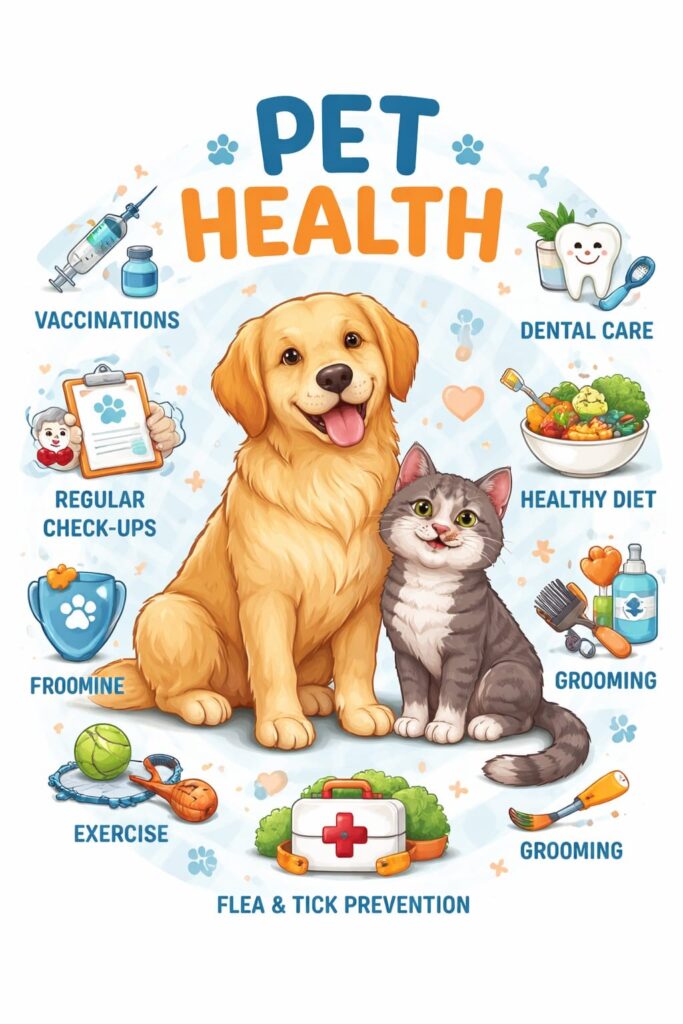
A pet’s health is the foundation of its happiness energy and overall quality of life. Responsible pet ownership goes beyond feeding and shelter—it requires a proactive approach to physical health mental well-being and preventive care. A well-maintained health routine not only helps pets live longer but also prevents many common diseases.
One of the most critical aspects of pet health is proper nutrition. A balanced diet tailored to your pet’s species age size and activity level supports growth strengthens immunity and maintains healthy body functions. High-quality food rich in proteins essential fats vitamins and minerals should always be prioritized. Clean fresh water must be available at all times to ensure proper hydration and digestion.
Preventive healthcare plays a key role in avoiding serious illnesses. Regular visits to a veterinarian help detect potential health issues at an early stage. Vaccinations protect pets from dangerous diseases while routine treatments for parasites such as fleas ticks and worms safeguard their overall well-being. Early prevention is always more effective and less costly than treatment.
Physical activity is equally important for maintaining a healthy lifestyle. Regular exercise helps control weight improves cardiovascular health and reduces behavioral problems caused by boredom or stress. Dogs benefit from daily walks and outdoor activities while cats and smaller pets require engaging indoor play to stay active.
Grooming is often overlooked but is essential for both hygiene and health. Brushing removes dirt and loose hair prevents matting and keeps the coat in good condition. Regular bathing nail trimming ear cleaning, and dental care help prevent infections and discomfort. Oral hygiene in particular is crucial as dental diseases can lead to serious health complications if ignored.
Mental and emotional well-being should never be neglected. Pets thrive in environments where they feel safe loved and engaged. Lack of attention or stimulation can lead to anxiety aggression, or depression. Spending quality time providing toys and maintaining a consistent routine can greatly improve a pet’s emotional health.
Pet owners should also stay alert to warning signs such as changes in appetite unusual behavior lethargy vomiting or sudden weight loss. Recognizing these symptoms early and seeking professional help can prevent minor issues from becoming serious health problems.
In conclusion maintaining a pet’s health requires dedication awareness and consistent care. By focusing on balanced nutrition preventive medical care regular exercise proper grooming and emotional support you can ensure your pet leads a healthy active and fulfilling life.