
German Shepherd
German Shepherd
German Shepherds are intelligent loyal and highly active dogs but they also require thoughtful care to stay healthy and happy. If you’re a current or future owner understanding their nutrition common health issues and training needs is essential. This guide brings everything together with a focus on pet care nutrition to help your German Shepherd thrive.
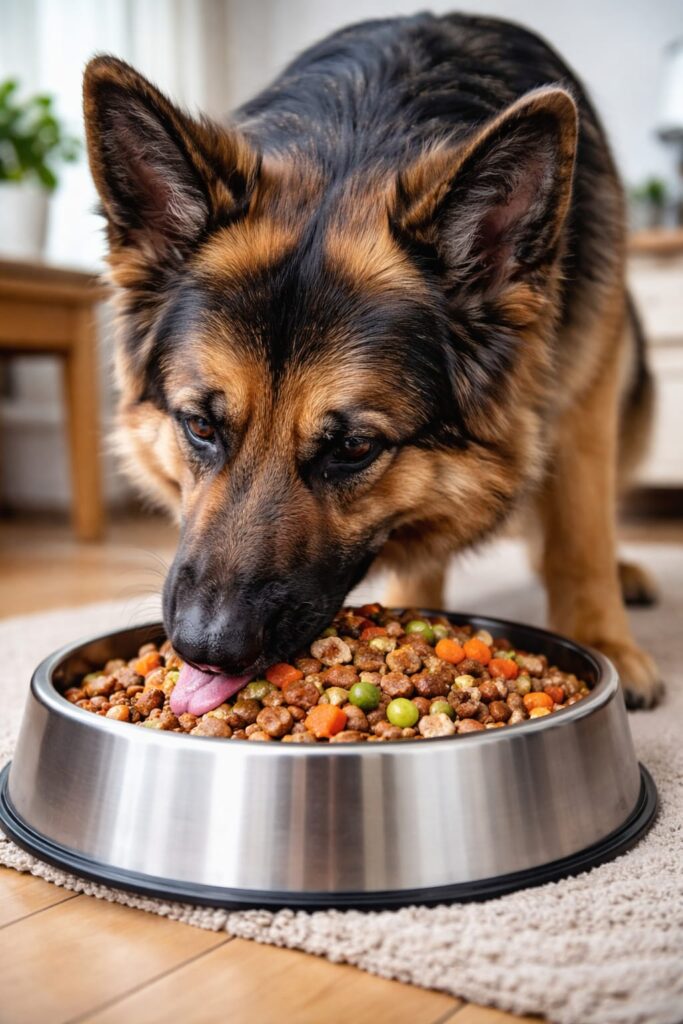
The Importance of Shepherd Nutrition
German Shepherds are large energetic dogs with fast metabolisms and specific dietary needs. Poor nutrition can quickly lead to health complications so getting their diet right is critical.
High-quality protein for muscle development (chicken, beef, fish)1
Healthy fats (omega-3 & omega-6) for coat and joint health
Controlled calcium & phosphorus levels for bone strength
Digestible carbohydrates like brown rice or sweet potatoes
Probiotics & fiber for gut health.
A balanced diet tailored to breed size and activity level is the foundation of effective pet care nutrition.
Recommended
Feeding Tips
Puppies need 3–4 small meals daily while adults thrive on 2 meals per day.
Avoid overfeeding to prevent obesity and joint stress.
Always provide fresh clean water.
Foods to Avoid
Chocolate onions garlic
Grapes and raisins
Excess fatty or processed foods
Health Issues & Solutions
German Shepherds are generally strong dogs but are prone to certain genetic and lifestyle-related conditions.
Hip and Elbow Dysplasia
This is one of the most common issues in German Shepherds. It occurs when joints do not develop properly leading to pain and mobility problems.
Degenerative Myelopathy
A progressive spinal cord disease that affects coordination especially in older dogs.
Bloat (Gastric Dilatation-Volvulus)
A life-threatening condition where the stomach twists and fills with gas. Immediate veterinary attention is required.
Skin Allergies
German Shepherds can develop allergies due to food environment or parasites often causing itching and irritation.
Digestive Issues
Sensitive stomachs can lead to diarrhea or vomiting if diet and nutrition are not properly managed.
Solutions and Preventive Care
Proper pet care plays a key role in minimizing health risks and ensuring a long healthy life.
Regular Vet Checkups: Early diagnosis helps manage conditions before they worsen.
Balanced Nutrition: High-quality dog food rich in protein, healthy fats, and essential vitamins supports joint and immune health.
Weight Management: Keeping your dog at a healthy weight reduces stress on joints.
Exercise Routine: Daily physical activity strengthens muscles and improves overall well-being.
Joint Supplements: Glucosamine and chondroitin may help support joint health.
Proper Feeding Habits: Smaller, frequent meals can reduce the risk of bloat.

Training Your German Shepherd
Training is essential for managing their intelligence and energy. Without proper guidance they may develop behavioral problems.
Begin training and socialization during puppyhood to build confidence and reduce aggression.
Use Positive Reinforcement
Reward-based training (treats, praise) works best for German Shepherds.
Consistency is Key
Set clear rules and stick to them. Inconsistent training confuses the dog.
Mental Stimulation
Interactive toys obedience exercises and tasks keep their minds active.
Obedience Training
Basic commands like sit stay and come are essential for safety and discipline.
Professional Training
If needed enroll your dog in training classes for advanced skills and behavior management.