Introduction
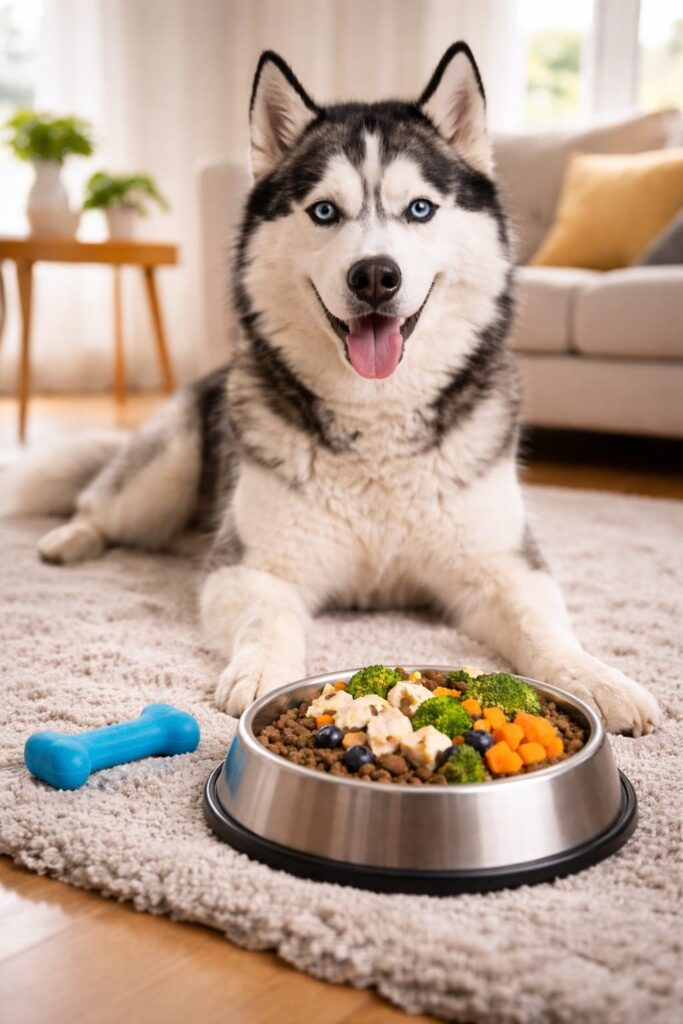
Huskies are medium-sized working dogs with thick double coats erect ears and expressive eyes that are often blue brown or even one of each. They thrive in active households and enjoy running exploring and social interaction. However their high energy levels and independent nature can be challenging for first-time dog owners.
Pet Care Nutrition Guide for Huskies
Proper pet care nutrition is the foundation of your Husky’s health, energy, and longevity.
1. High-Quality Protein
Huskies need protein-rich diets to support their active lifestyle. Look for dog foods with real meat as the first ingredient.
2. Balanced Fats
Healthy fats provide energy and support coat health. Omega-3 and Omega-6 fatty acids are especially beneficial.
3. Controlled Portions
Huskies often self-regulate food intake but portion control is still important to avoid overfeeding.
4. Hydration
Always provide clean, fresh water—especially after exercise.
5.Avoid Fillers and Artificial Additives
Low-quality fillers can cause digestive issues and reduce nutrient absorption.
6. Supplements (If Needed)
Consult your vet about supplements like fish oil, glucosamine, or vitamins for joint and coat health.https://amzn.to/3QK0gpY
Health Issues in Huskies
Like all breeds Huskies are prone to certain health conditions. Being aware of these helps you detect issues early and maintain your dog’s wellbeing.
Eye Problems
Huskies are genetically predisposed to conditions like cataracts progressive retinal atrophy (PRA), and corneal dystrophy. Regular veterinary eye check-ups are essential.
Hip Dysplasia
Though less common than in larger breeds Huskies can still develop hip dysplasia which affects mobility and causes discomfort.
Skin Conditions
Their thick coats can hide skin infections hot spots or allergies. Poor grooming or nutrition often contributes to these issues.
Obesity (Less Common but Possible)
Huskies typically have fast metabolisms but lack of exercise and improper pet care nutrition can still lead to weight gain.
Health Solutions and Preventive Care
Preventing health problems is easier than treating them. Here’s how to keep your Husky in top condition:
Regular Vet Visits: Annual check-ups help catch issues early.
Routine Grooming Brush their coat 2–3 times per week to reduce shedding and skin issues.
Exercise Daily Huskies need at least 1–2 hours of activity every day.
Vaccinations & Parasite Control Stay consistent with vaccinations and flea/tick prevention.
Monitor Behavior Changes in appetite, energy, or mood can signal underlying problems.
Training Your Husky
Training a Husky requires patience consistency and a firm but positive approach.
Start Early
Begin training as a puppy. Early socialization prevents behavioral issues later.
Use Positive Reinforcement
Reward-based training works best. Treats praise and playtime are effective motivators.
Be Consistent
Huskies are smart but stubborn. Mixed signals can confuse them so stick to clear rules.
Leash Training is Essential
Huskies love to run and may wander off. Always train them to walk properly on a leash.
Mental Stimulation
Puzzle toys and interactive games help prevent boredom and destructive behavior.
View on Amazon
Saint Bernard Introduction Saint Bernards originated in the Swiss Alps where they were bred as rescue dogs. These giant dogs are famous for their calm behavior and affectionate nature. Adult Saint Bernards can weigh between 120 to 180 pounds making proper dog nutrition and healthcare extremely important. Best Nutrition for Saint Bernard Dogs Proper dog…
Belgian Malinois Care Guide Introduction The Belgian Malinois is a medium-to-large herding breed originally from Belgium. They are often mistaken for German Shepherds but are typically leaner more agile and higher in energy. Belgian Malinois Nutrition Guide Proper nutrition is critical for maintaining your dog’s energy levels muscle health and overall well being. What Should…
Doberman Pinscher Breed Guide Introduction Originally bred in Germany by Karl Friedrich Louis Dobermann the Doberman Pinscher was developed as a guard dog. Today they are known for their loyalty intelligence and athletic build. Lifespan: 10–13 years Temperament: Loyal, alert, energetic Size: Medium to large Ideal for: Active families, experienced dog owners Doberman Pinscher Pet…
Pomeranian Introduction The Pomeranian is one of the most popular toy dog breeds in the world. Known for its fluffy double coat, fox- like face, and lively personality, this small dog packs a big attitude into a tiny body. Originally descended from larger Spitz-type dogs, Pomeranians have become beloved companion pets due to their intelligence,…
How to Raise a Strong and Loyal Dog Introduction Rottweilers are confident and courageous dogs with a natural guarding instinct. Despite their tough appearance they are affectionate with their families and can be great companions when properly trained and socialized. However they require responsible ownership consistent discipline and a healthy lifestyle. Pet Care Nutrition for…
Border Collie Care Tips Introduction Border Collies originated along the border of England and Scotland where they were bred for their exceptional herding abilities. They are medium sized dogs with a lean athletic build and a highly alert expression. Their intelligence allows them to learn commands quickly but it also means they can become bored…